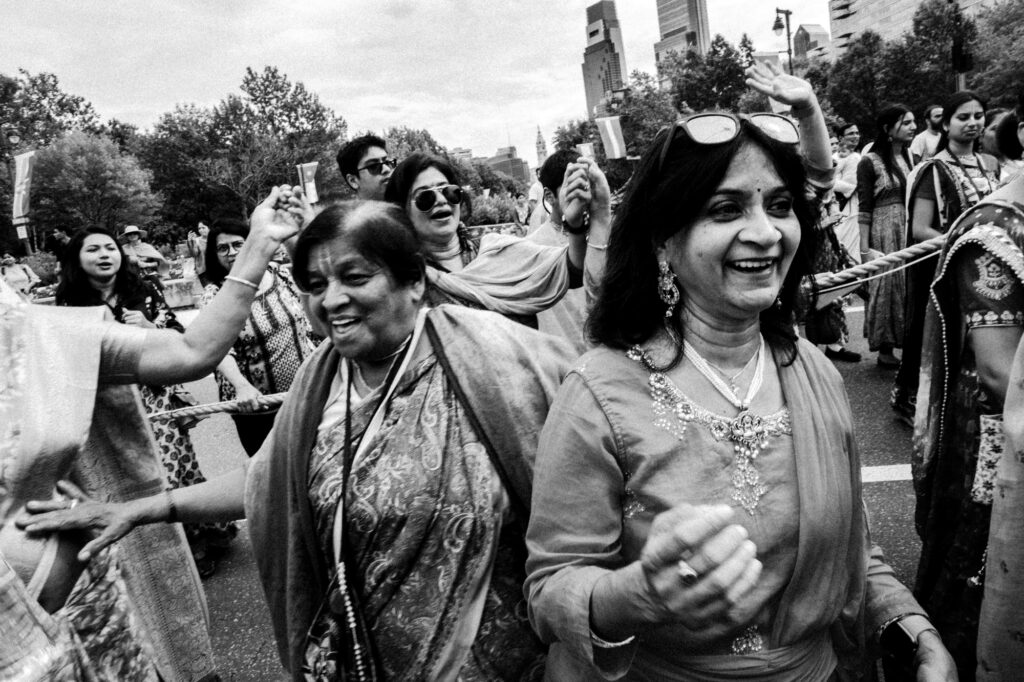
Please, stop shooting layered photos. I am fucking bored to tears by them.
I feel like Instagram and the major street photography contests reinforce this idea that a good photograph is a layered photograph. However, they all look the same to me. They all have perfectly separated subjects, colorful backgrounds, and nice light. That is not enough to make a good photograph. Alex Webb, the god of layering, knew this better than anyone.
What separates his photographs from yours, is that he understood that layering is merely a technique and executing the technique does not make your street photograph good.
So, what makes a street or documentary photograph good?
Content + Composition + Print = A Good Photograph
Content
Let’s start with the one that bothers me the most. I don’t care how intricately you have layered your subjects, the photograph is still boring as shit if it is just people walking around. I see this all the time from people who travel to developing nations and snap a random photo of people walking around in colorful outfits. Sure it is interesting-ish, but definitely not enough to make it a good photograph.
Who are these people? What symbolic value do they possess? What are the people in the scene doing? Does every person in the scene contribute to the overall message?
These are the questions Webb knew mattered more than the visuals themselves. Just look at this work from Haiti. He knew the political context in which these images existed and how he would like his images to be displayed, therefore his photographs have an immense emotional weight.
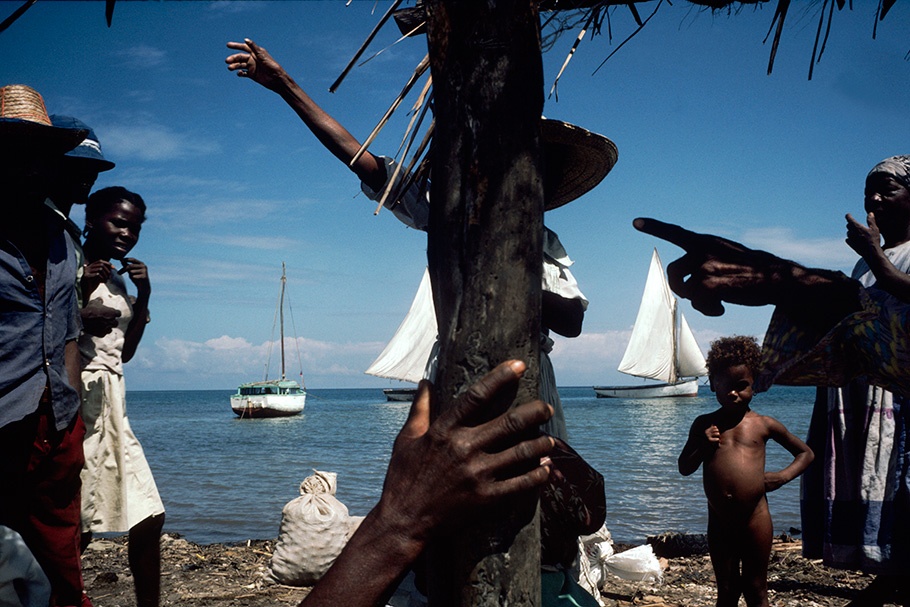 Photo Credit: Alex Webb
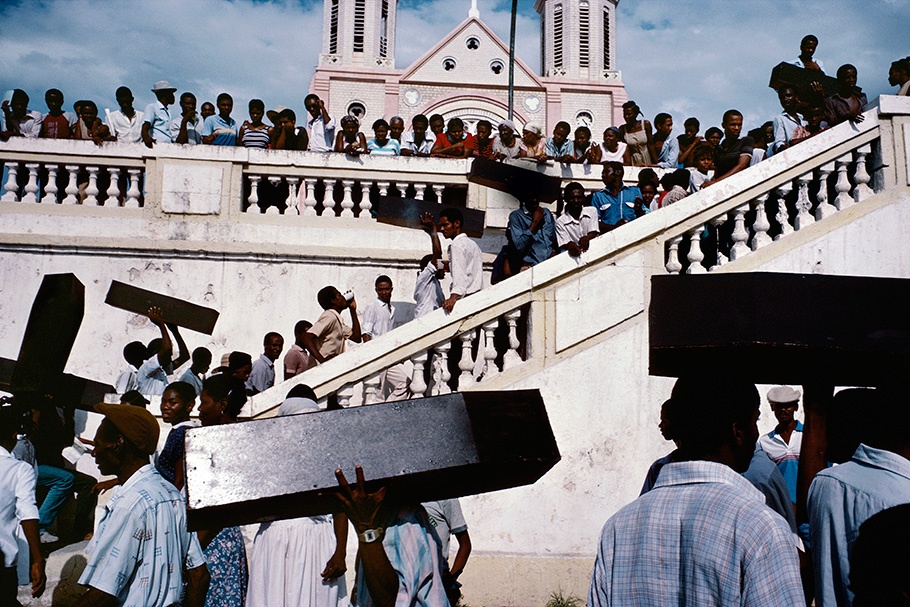 Photo Credit: Alex Webb
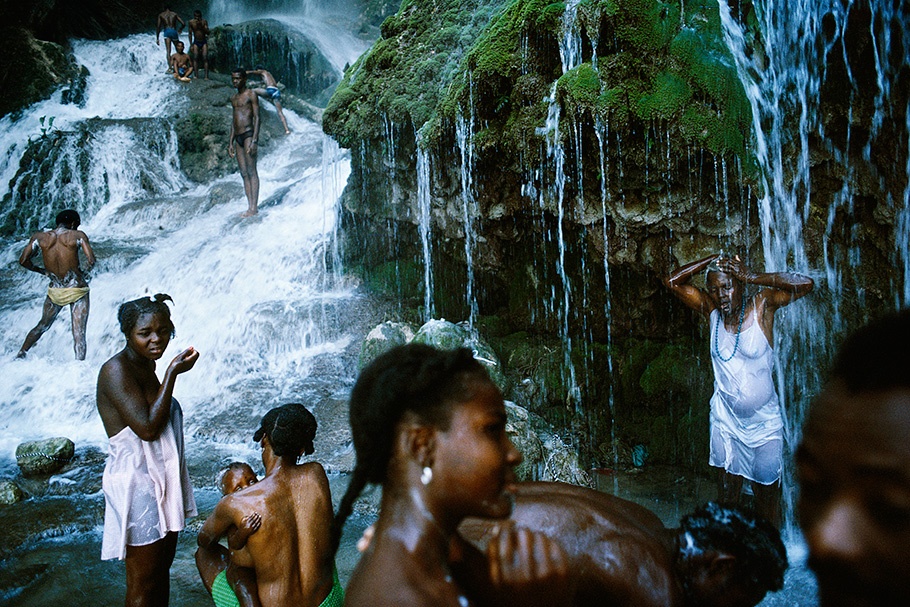 Photo Credit: Alex Webb
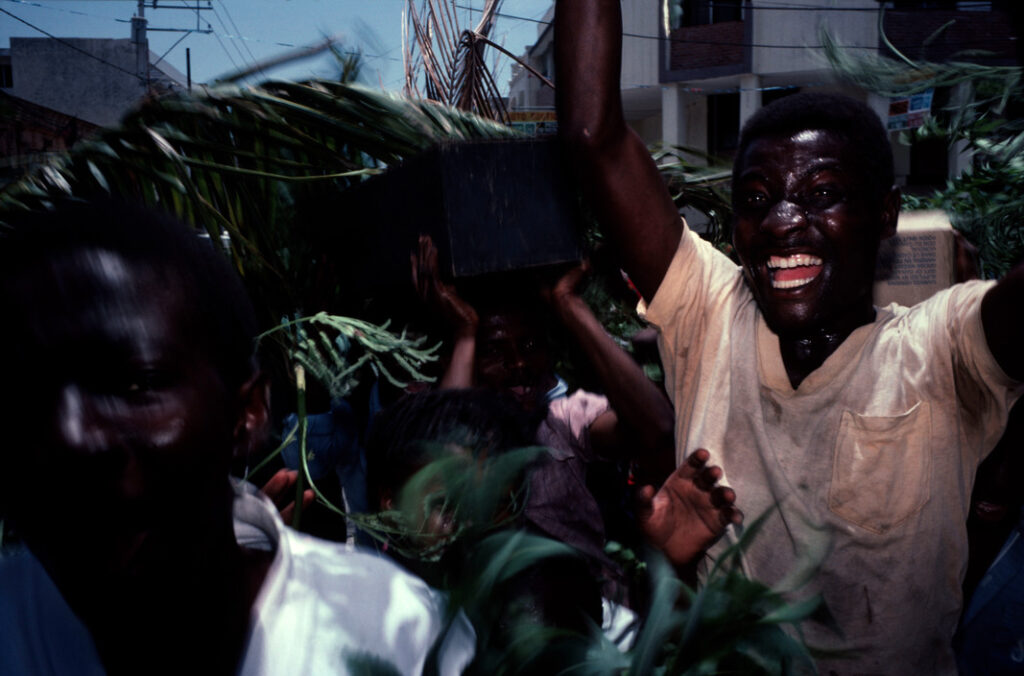 Photo Credit: Alex Webb
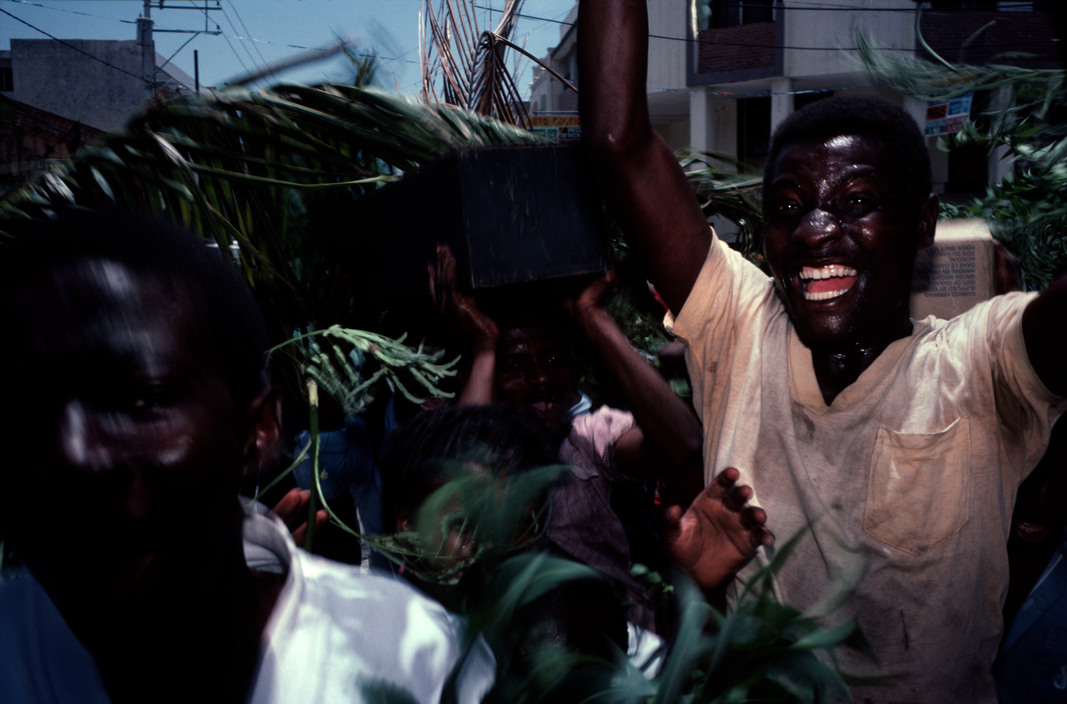
You are photographing a scene, not just subjects. So think about why the scene is interesting and how you can make it more impactful to the viewer.
Composition
Layering is more than just having nicely separated subjects in the foreground, midground, and background. It is about how the light in the scene falls on the subjects. How the colors play off each other. The way subjects are strewn about the frame.
I can’t explain (nor know) all the intricacies of composition, but it is more than just stacking some subjects and making sure they don’t overlap. Explore the scene, shoot multiple angles, and move your body to reposition the layers.
At the end of the day this is a 2-D art, so you have to meet the same standards as a great painting or drawing. Oftentimes those artists are thinking about exactly where they are placing their subjects for maximum effect and how they play off the edges of the canvas to create an exciting composition.
Look at how Caravaggio uses shadow and color very strategically to create a certain feeling in his paintings.
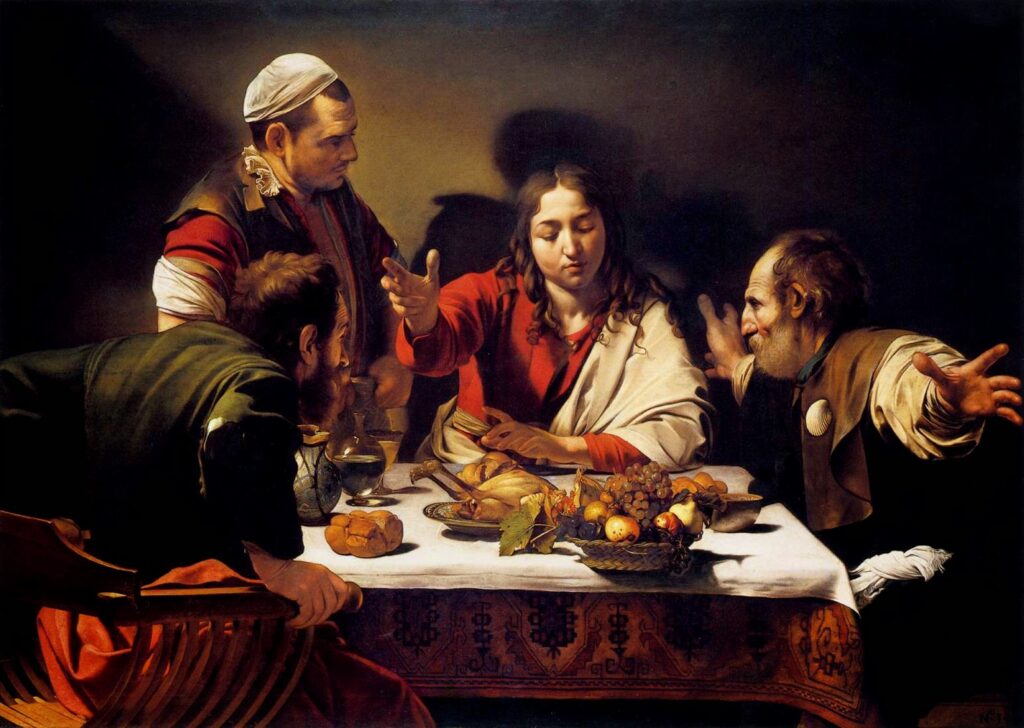 Art Credit: Caravaggio
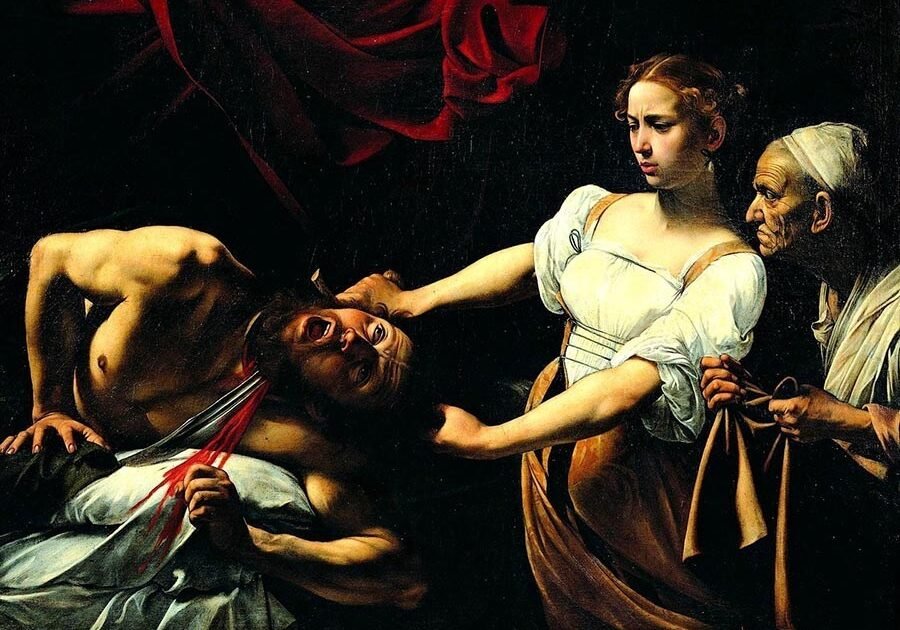 Art Credit: Caravaggio
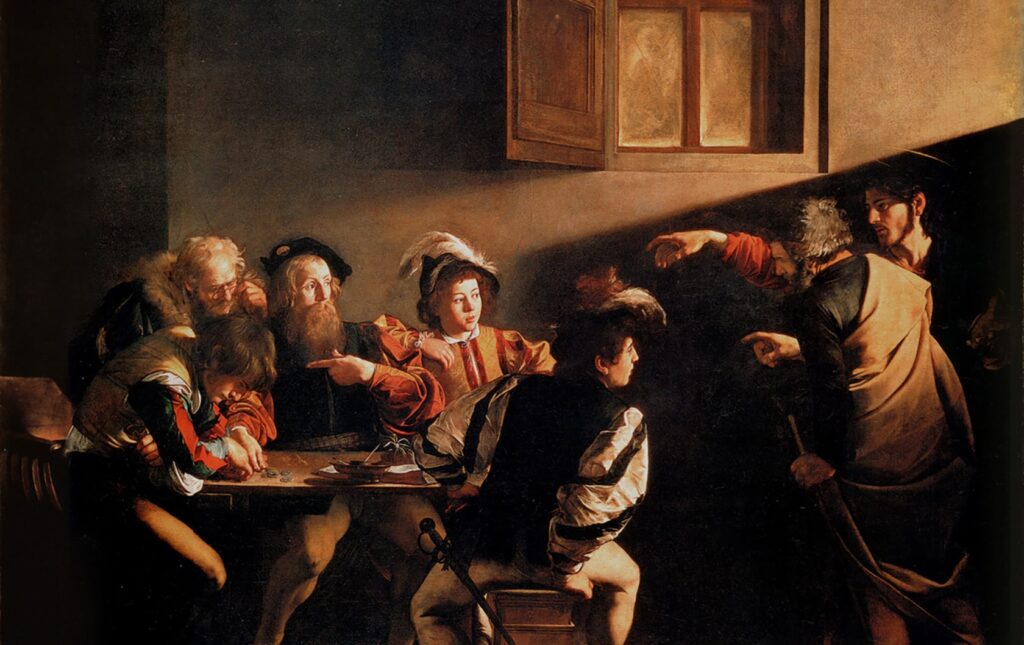 Art Credit: Caravaggio
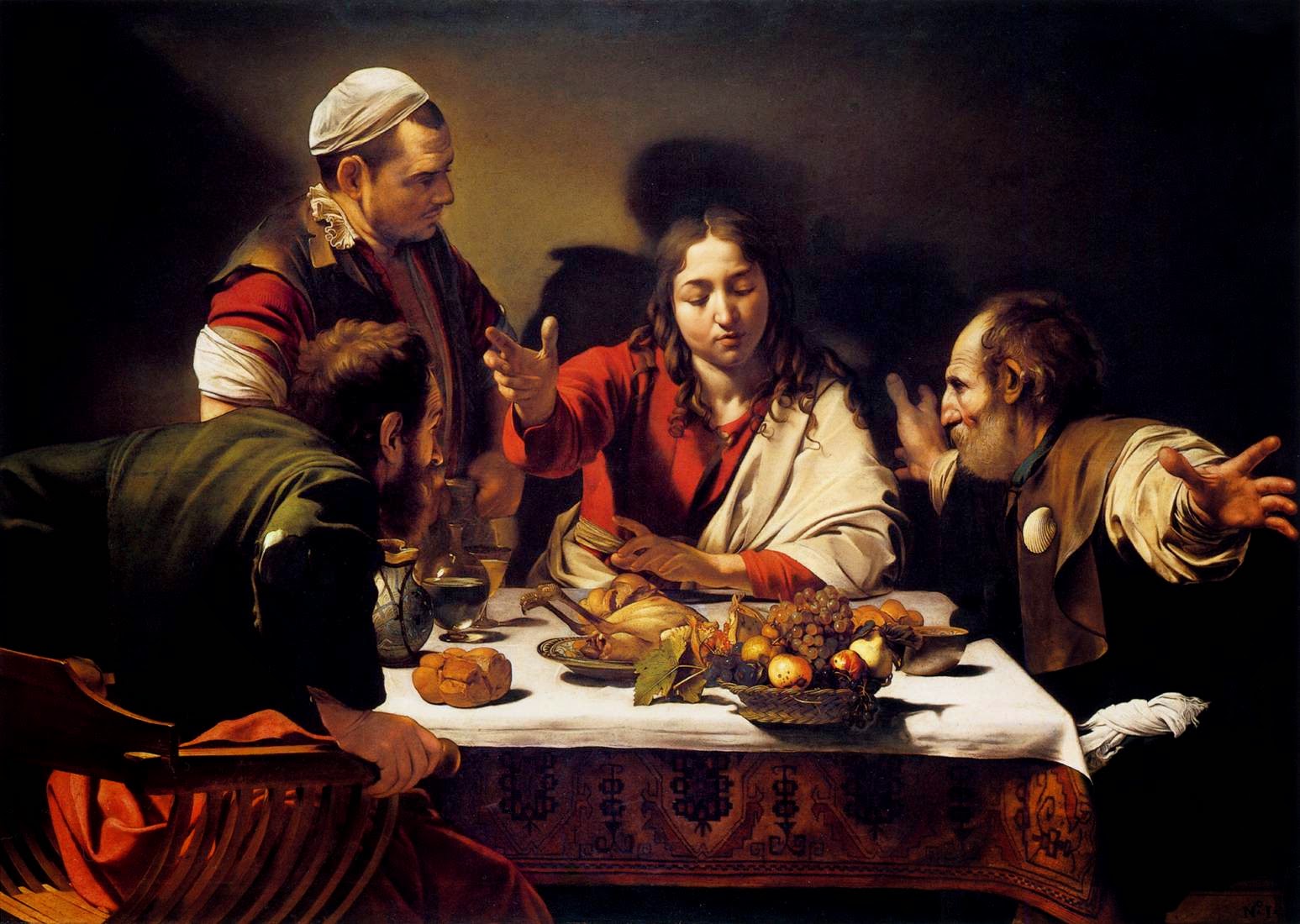
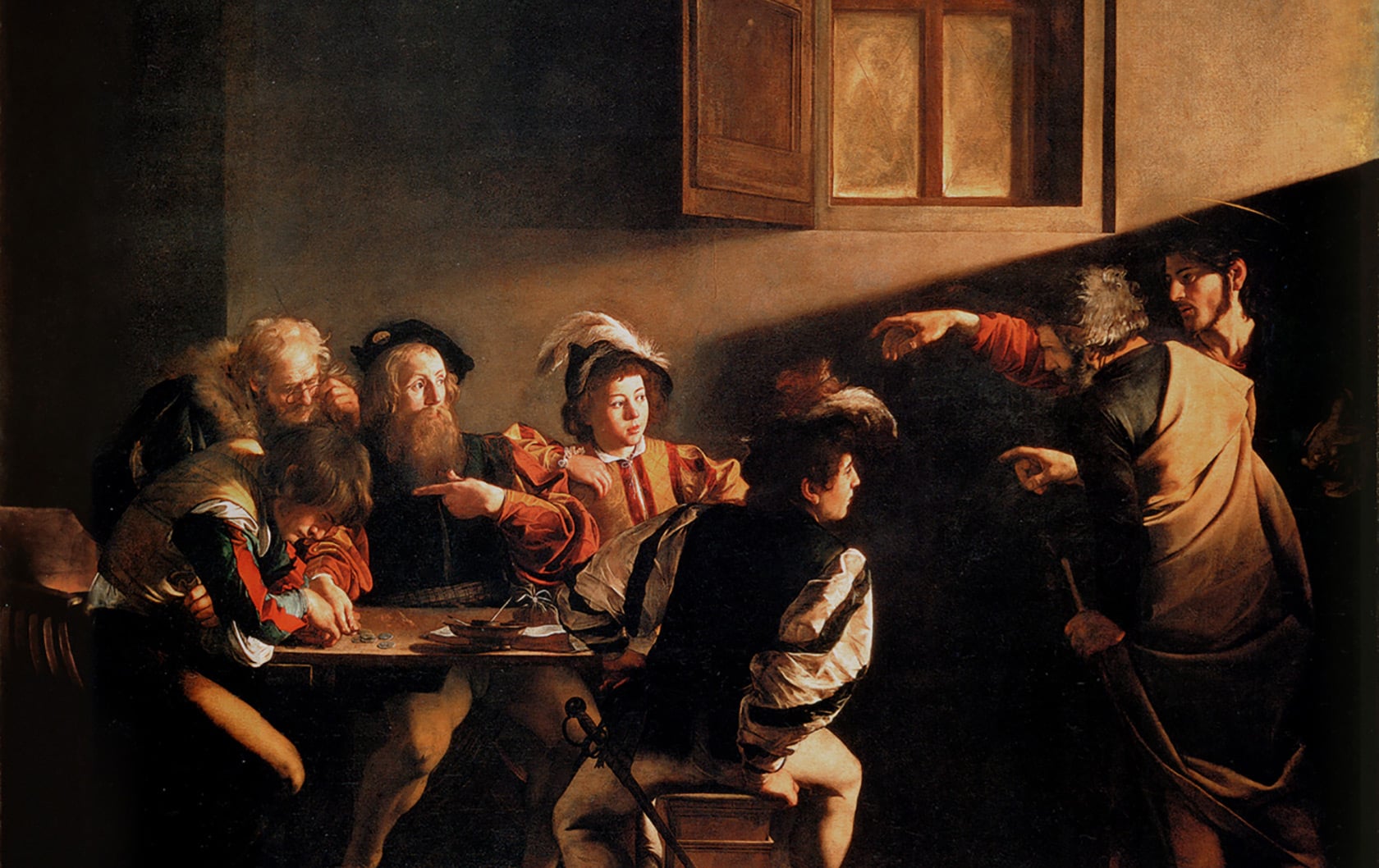
Obviously, this is a difficult thing to do in a photograph, but does not mean we as photographers can not try!
Print (or Final Edit)
This is probably the least important, but it matters none the less. Your layered photograph needs to be well edited. Pushing the clarity and saturation slider to 900, does not make a photograph better. Take some time to mix the colors to your liking, dodge, burn, and adjust contrast.
Or, shoot it in black and white. Just because the scene was colorful, does not mean your image needs to be. The reality is that you need to choose the color treatment and edit that best drives home the feeling you are trying to elicit in the scene.
I give Dante Sisofo a lot of credit, he knows how to edit a scene. For example, in this photograph he makes sure that the red of the watermelon pops against the blue of the ocean.
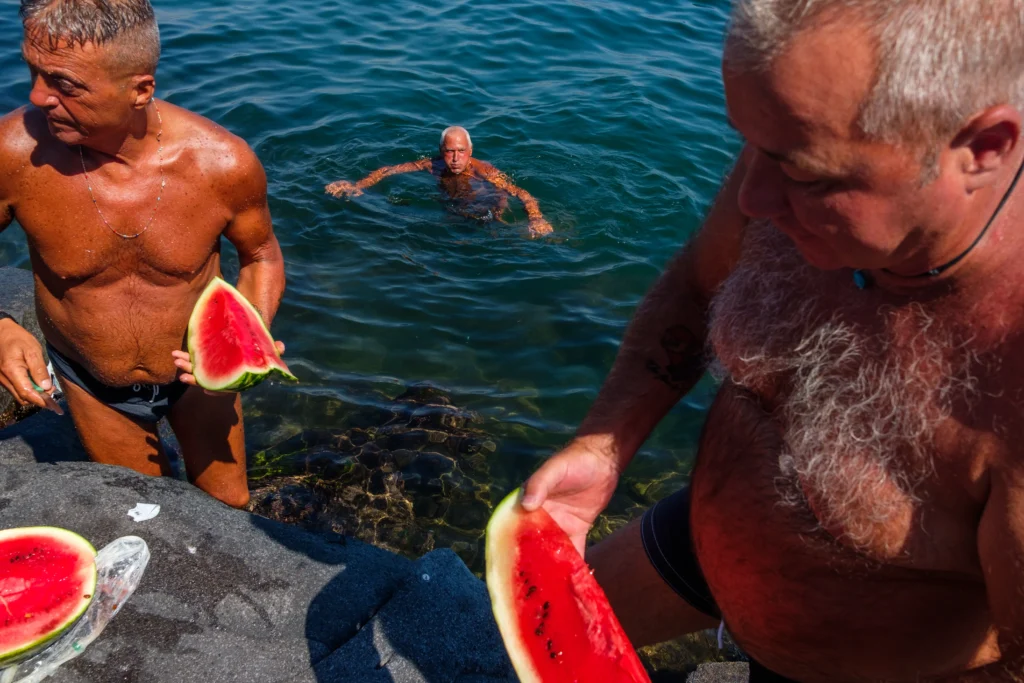
But it is hard.
No fucking shit. This stuff is hard. That is why when you look at Alex Webb’s Suffering of Light there are only 115 photographs in there from his whole 30+ YEAR CAREER. That means, as a full-time photographer, he averaged 3-4 incredible photographs a year. So don’t be hard on yourself. This stuff takes a lot of practice, skill, and luck. Find joy in the process, have fun learning, and stop posting half-assed attempts at layering in my Instagram feed.